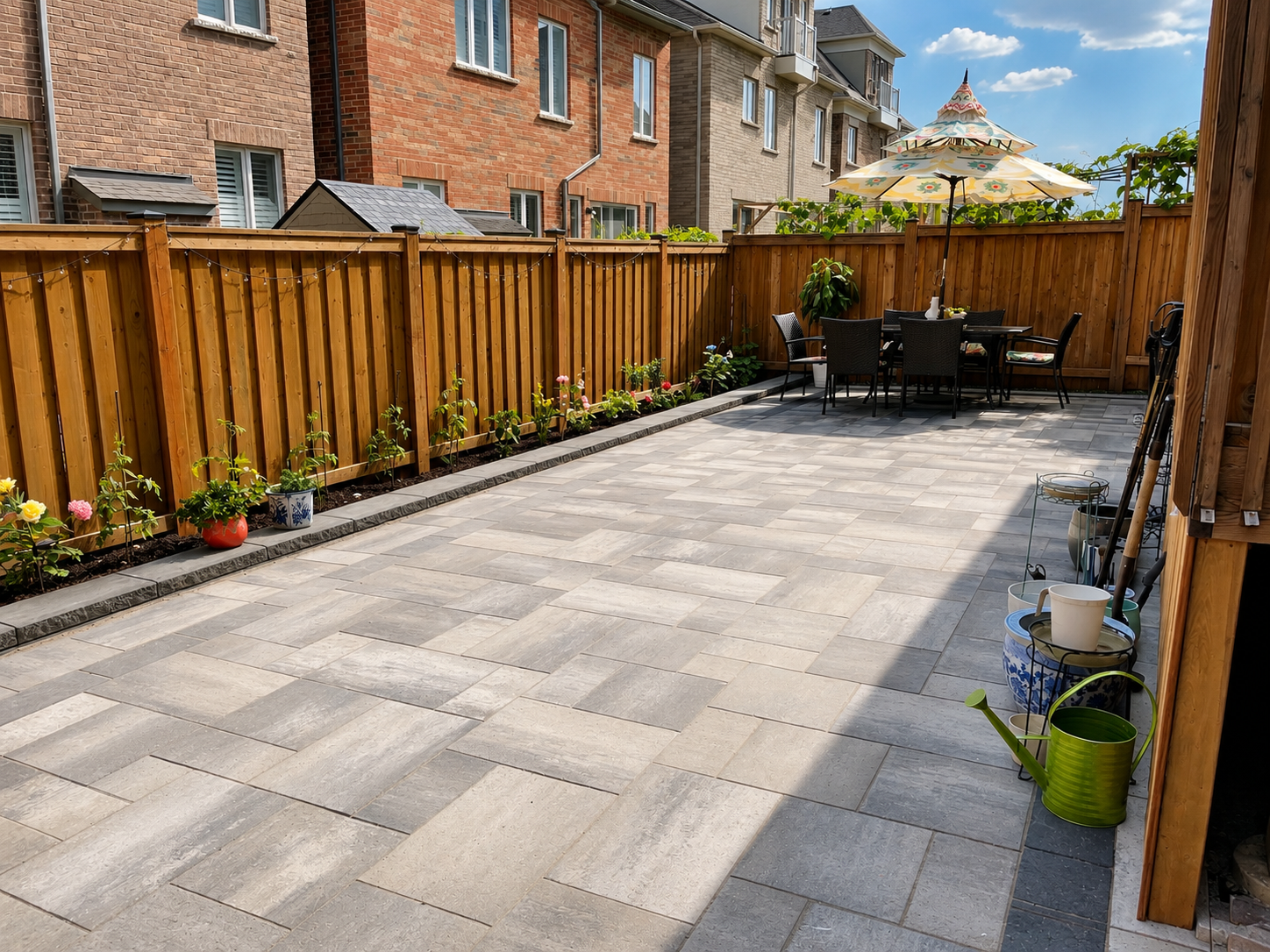
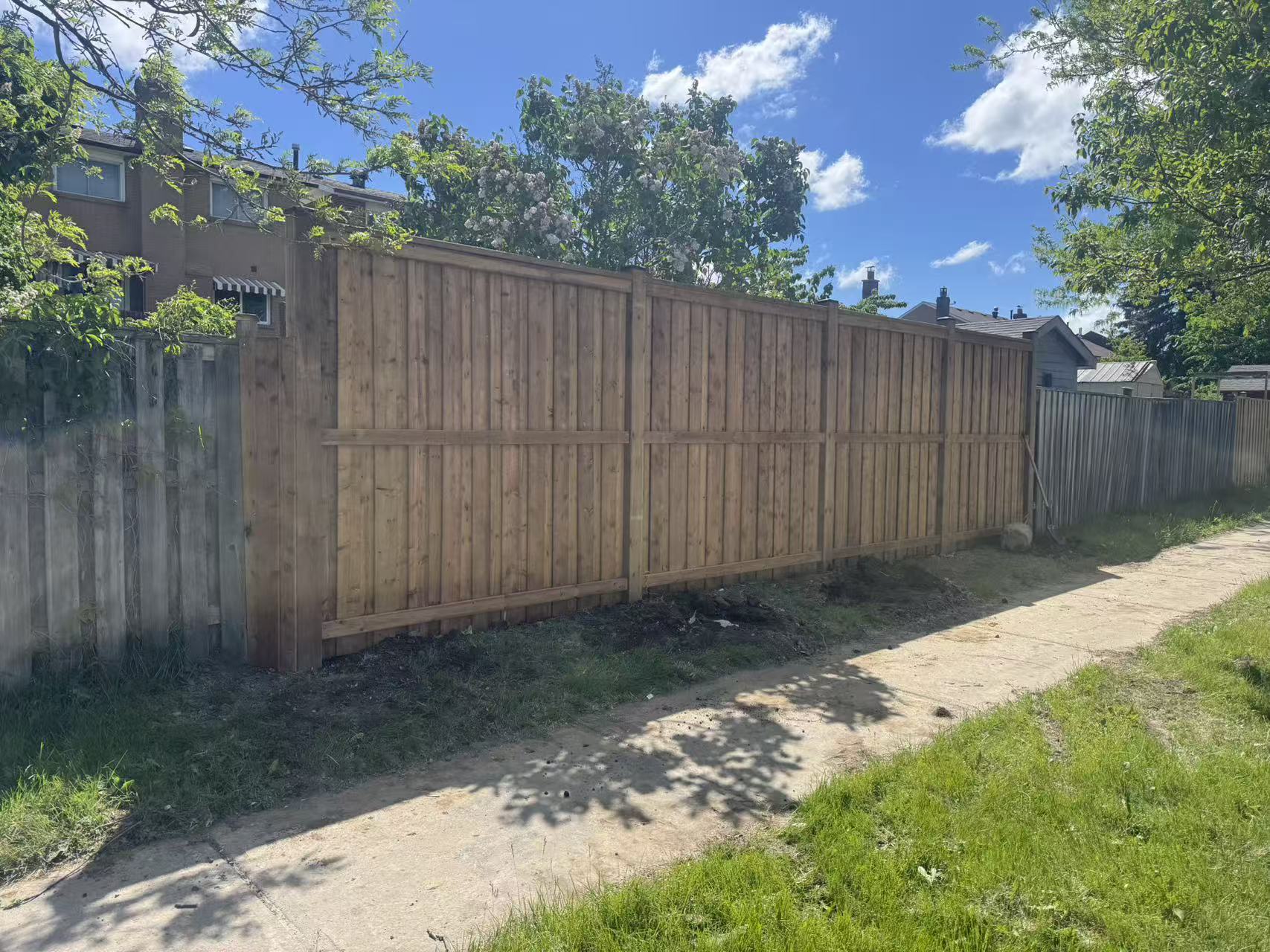
A well-built fence can completely change the way your outdoor space looks and functions. It can give your family more privacy, create a safer yard for children and pets, define property boundaries, and improve the overall appearance of your home.
However, fence installation involves more than choosing a style and placing posts in the ground. Property lines, soil conditions, gate locations, materials, drainage, neighbouring properties, and local rules can all affect the project.
Planning these details before construction begins can help prevent disagreements, unexpected costs, delays, and future repairs. This guide explains what GTA homeowners should consider before hiring a fence contractor or starting a new fence installation.
Decide Why You Need the Fence
Start by identifying the main reason for installing or replacing the fence.
Common goals include:
- increasing backyard privacy
- creating a secure space for children
- keeping pets inside the yard
- improving curb appeal
- replacing an old or damaged fence
- defining property boundaries
- reducing noise or visual exposure
- creating separation between outdoor areas
Your main goal will influence the height, material, layout, and design of the fence.
For example, a fence intended mainly for privacy may need solid boards and greater height. A decorative front-yard fence may be lower and more open. A fence for pets may require smaller gaps, secure gates, and attention to the bottom edge.
Understanding the purpose first helps you avoid paying for features you do not need or choosing a design that does not solve the original problem.
Confirm the Property Line
One of the most important steps before fence installation is confirming the property boundary.
Do not assume an existing fence is located exactly on the legal property line. Older fences may have been installed incorrectly, shifted over time, or placed within one neighbour's property.
Helpful documents may include:
- a property survey
- a site plan
- closing documents
- subdivision plans
- municipal records
When the boundary is unclear, a professional survey may be necessary.
Confirming the property line before construction helps prevent disputes and reduces the risk of needing to move or rebuild the fence later.
It is also a good idea to speak with neighbouring property owners before work begins. Clear communication can make the process easier, especially when the existing fence is shared.
Review Local Fence Requirements
Fence rules can vary between municipalities in the GTA. Regulations may address:
- maximum fence height
- front-yard fence height
- corner-lot visibility
- pool enclosure requirements
- gate design
- permitted materials
- setbacks from sidewalks or roads
- visibility near driveways
- fence placement near easements
A standard backyard privacy fence may not require a building permit, but this does not mean there are no rules.
Pool fences usually have stricter safety requirements. Corner properties and front-yard fences may also face additional limits because fences cannot block drivers' sightlines.
Before starting the project, confirm the requirements for your municipality and property type.
Choose the Right Fence Material
The material affects the appearance, price, maintenance, durability, and lifespan of the fence.
Pressure-Treated Wood
Pressure-treated wood is a common choice for residential fencing in the GTA.
Advantages include:
- familiar natural appearance
- reasonable upfront cost
- many design options
- easy customization
- availability in different heights and board patterns
Wood fences may require staining, sealing, or painting over time. Boards can also warp, crack, or rot if they are exposed to moisture or installed poorly.
Cedar
Cedar offers a warm, attractive appearance and natural resistance to decay.
Advantages include:
- premium natural look
- good resistance to insects and moisture
- lighter weight
- attractive colour and grain
Cedar generally costs more than pressure-treated lumber and still benefits from proper maintenance.
Vinyl
Vinyl fencing provides a clean appearance with relatively low maintenance.
Advantages include:
- no painting or staining
- easy cleaning
- resistance to rot
- consistent colour
- modern appearance
Vinyl may cost more initially, and damaged sections can be harder to repair than individual wood boards.
Metal and Aluminum
Metal fencing can work well for front yards, pools, gardens, and properties where visibility is preferred.
Advantages include:
- durable construction
- clean appearance
- lower visual obstruction
- suitable for decorative and safety applications
Open metal fencing does not provide the same privacy as solid wood or vinyl.
The best material depends on the intended use, budget, architectural style, and amount of maintenance you are willing to perform.
Think Carefully About Fence Height
Fence height affects privacy, appearance, cost, wind exposure, and compliance with local rules.
A taller fence can provide more privacy, but it may also:
- require stronger posts
- create more wind resistance
- increase material costs
- feel visually heavy in a smaller yard
- conflict with municipal limits
Before choosing the height, consider nearby windows, deck elevations, neighbouring properties, and how the fence will look from inside the yard.
A contractor can help determine whether a standard height will provide enough privacy or whether the yard layout requires another solution.
Plan Gate Locations Before Construction
Gate placement is often treated as a small detail, but it can have a large effect on daily convenience.
Think about access for:
- lawn equipment
- garbage and recycling bins
- bicycles
- patio furniture
- construction materials
- wheelbarrows
- emergency access
- future landscaping work
A gate that is too narrow or located in the wrong place can create frustration later.
Also consider:
- gate width
- swing direction
- latch location
- lock requirements
- ground clearance
- slope
- snow accumulation
- pathway alignment
For wider equipment access, a double gate may be worth considering.
Proper Post Installation Is Essential
Fence posts support the entire structure. If posts are shallow, poorly aligned, or installed in unstable soil, the fence may begin leaning or shifting.
Post installation should consider:
- required depth
- frost conditions
- soil type
- drainage
- concrete placement
- spacing
- gate loads
- fence height
- wind exposure
GTA winters create freeze and thaw cycles that can move poorly installed posts. Proper depth and installation help the fence remain stable through changing seasons.
Gate posts may require additional reinforcement because they carry more weight and movement than regular fence sections.
Account for Drainage and Ground Conditions
Fence installation can be affected by uneven ground, wet areas, tree roots, retaining walls, and drainage patterns.
Before digging, inspect the fence line for:
- low areas where water collects
- slopes
- large roots
- existing concrete
- utility boxes
- downspouts
- underground irrigation
- retaining structures
- soft or unstable soil
The bottom of the fence should follow the ground cleanly without creating large gaps or trapping moisture.
A fence should not block drainage or redirect water toward a neighbouring property. Poor drainage can also cause wooden posts and boards to deteriorate more quickly.
Arrange Utility Locates Before Digging
Underground utilities may run near the planned fence line.
These may include:
- gas lines
- electrical lines
- telecommunications cables
- water lines
- irrigation systems
Utility locating should be completed before post holes are dug.
This protects workers, homeowners, and underground infrastructure. It also helps prevent dangerous or expensive damage during installation.
Private utilities such as irrigation systems, landscape lighting, or pool equipment lines may require separate identification because they may not be included in standard public utility locating services.
Understand the Cost of Fence Installation
Fence installation costs vary based on:
- total length
- height
- material
- design
- number of gates
- ground conditions
- demolition and disposal
- access to the work area
- post spacing
- custom features
- staining or finishing
A simple straight fence is generally less expensive than a project with several corners, slopes, gates, decorative details, or difficult access.
Ask for a clear estimate that explains what is included. It should identify whether the price covers:
- removal of the existing fence
- disposal
- posts
- boards or panels
- gates and hardware
- labour
- concrete
- cleanup
- finishing or staining
Comparing detailed estimates is more useful than comparing only the final price.
Decide Whether to Repair or Replace
Not every damaged fence requires complete replacement.
Repair may be reasonable when:
- only a few boards are damaged
- one or two posts are loose
- a gate needs adjustment
- hardware needs replacement
- most of the structure remains strong
Replacement may make more sense when:
- several posts are leaning
- widespread rot is present
- the fence is consistently unstable
- many boards are cracked or warped
- the layout no longer meets your needs
- repair costs are approaching replacement costs
A contractor can assess the condition of the posts, framing, boards, gates, and foundation before recommending the best option.
Speak With Your Neighbours
When a fence sits near a shared boundary, communication with the neighbour is important.
Discuss:
- the proposed location
- removal of the existing fence
- material and appearance
- construction timing
- access requirements
- how temporary openings will be secured
- whether any costs will be shared
Neighbour agreements should be clear before the old fence is removed.
Even when you are paying for the entire project, advance notice can help reduce misunderstandings and make the installation smoother.
Consider the Finished Appearance
The fence should complement the home and landscaping.
Think about how it will coordinate with:
- brick colour
- siding
- interlocking
- deck materials
- pergolas
- garden beds
- gates
- retaining walls
- outdoor furniture
Small design details can make the finished project feel more intentional.
These may include:
- horizontal or vertical boards
- framed panels
- decorative post caps
- contrasting gates
- lattice sections
- black hardware
- matching stain
- stepped or sloped installation
A simple fence can still look polished when the proportions, alignment, and finishing details are handled carefully.
Plan for Long-Term Maintenance
Every fence requires some level of care.
Wood fence maintenance may include:
- cleaning
- staining or sealing
- replacing damaged boards
- checking posts
- tightening hardware
- trimming nearby plants
Vinyl may require occasional washing and inspection. Metal fencing may need hardware checks or coating repairs if the finish becomes damaged.
Regular maintenance can extend the life of the fence and prevent small issues from turning into major repairs.
Avoid allowing soil, mulch, or plants to remain pressed against wooden boards because trapped moisture can accelerate deterioration.
Questions to Ask a Fence Contractor
Before hiring a fence contractor in the GTA, ask:
- What materials do you recommend for this property?
- How deep will the posts be installed?
- Is removal of the old fence included?
- Will you arrange or confirm utility locates?
- How will slopes and uneven ground be handled?
- What gate hardware will be used?
- Is cleanup included?
- How long will the project take?
- What warranty is provided?
- Are there any property or access concerns?
A contractor should be able to explain the installation process clearly and provide a detailed estimate.
Final Thoughts
Fence installation can improve privacy, safety, curb appeal, and the overall function of your outdoor space. The best results come from careful planning before construction begins.
Confirm the property line, review municipal requirements, choose a material suited to your needs, plan gate access, and make sure posts are installed for local soil and weather conditions.
Greatland Construction provides fence installation, fence replacement, interlocking, landscaping, paving, and outdoor renovation services across the GTA.