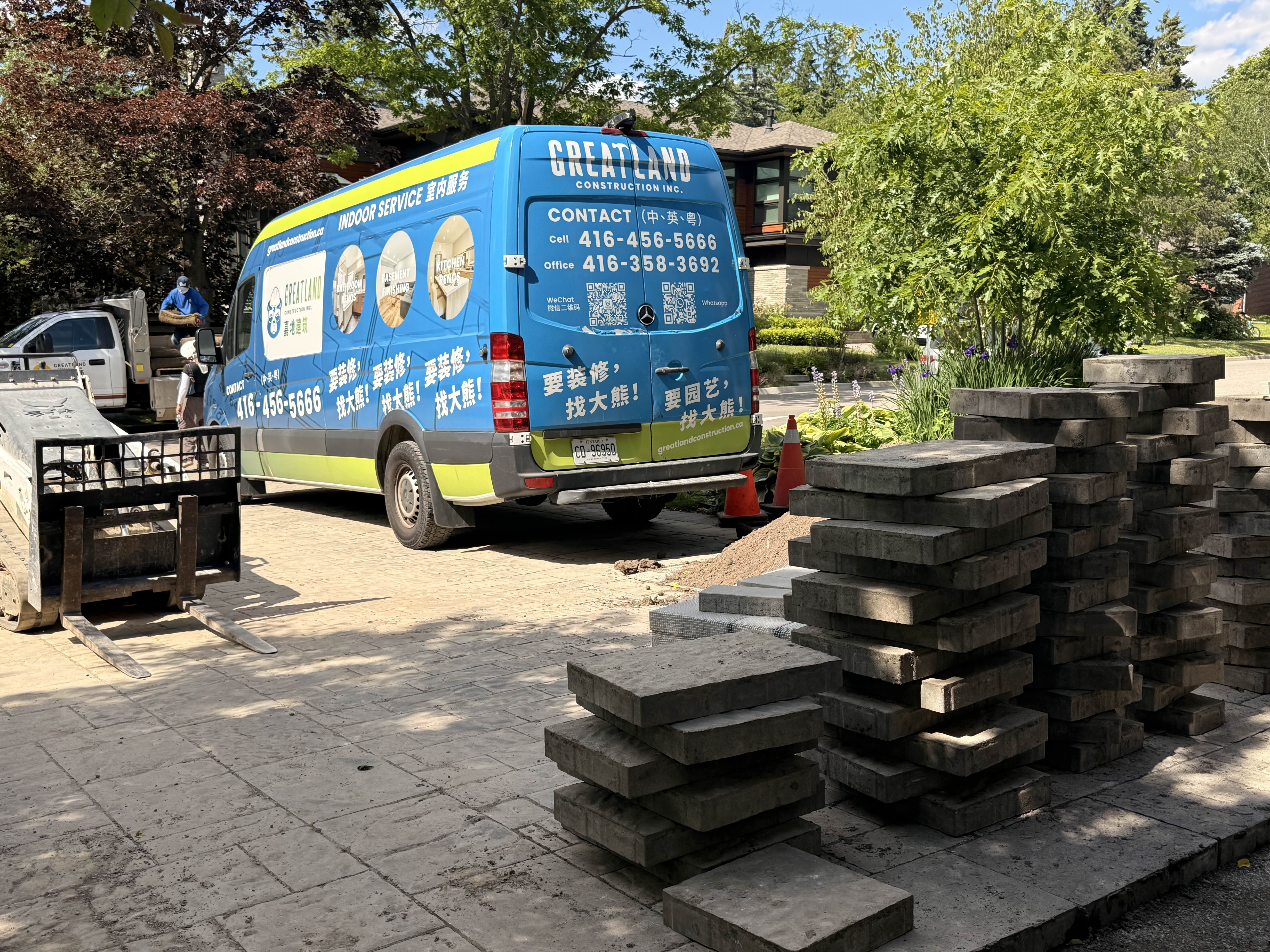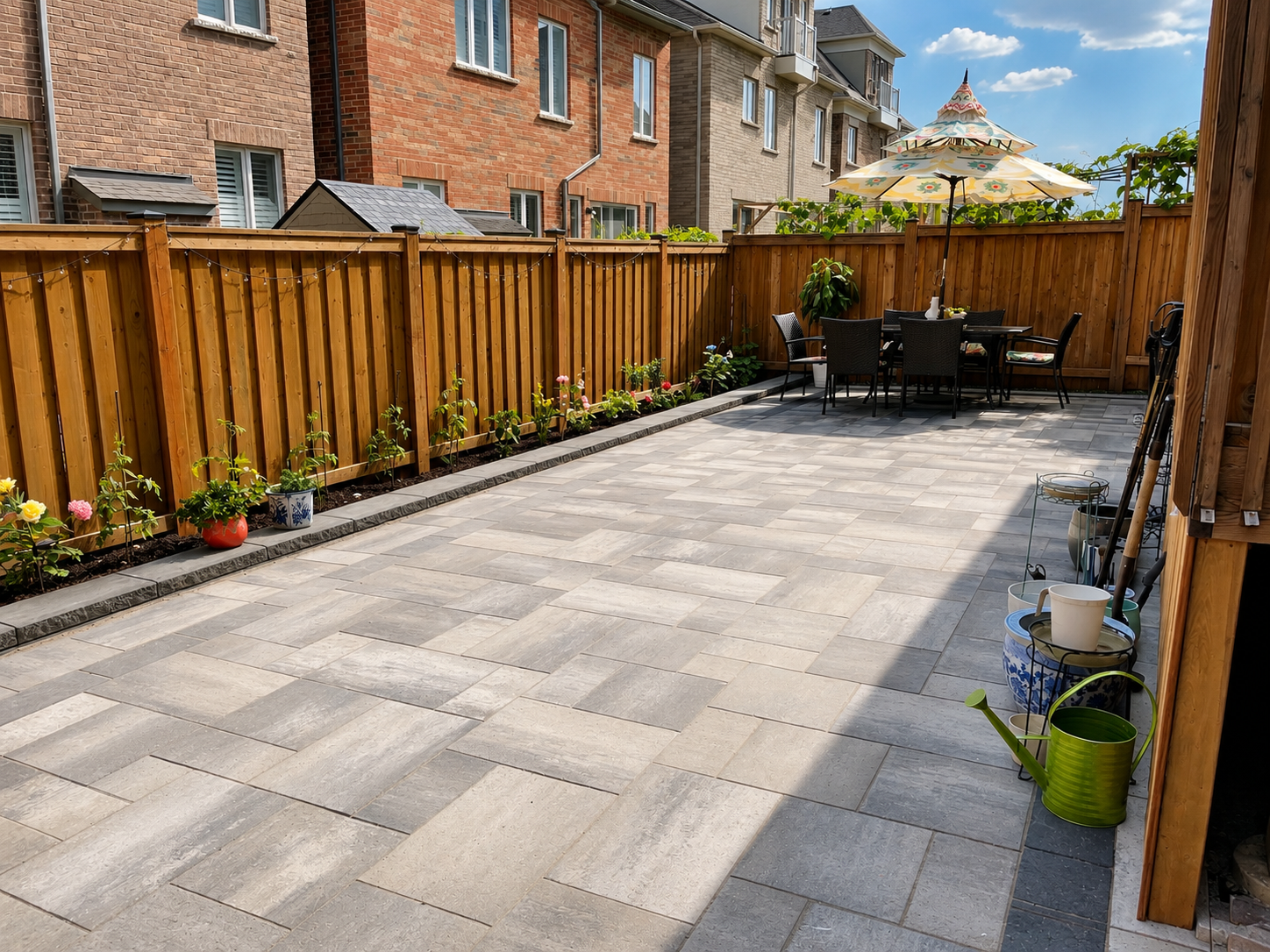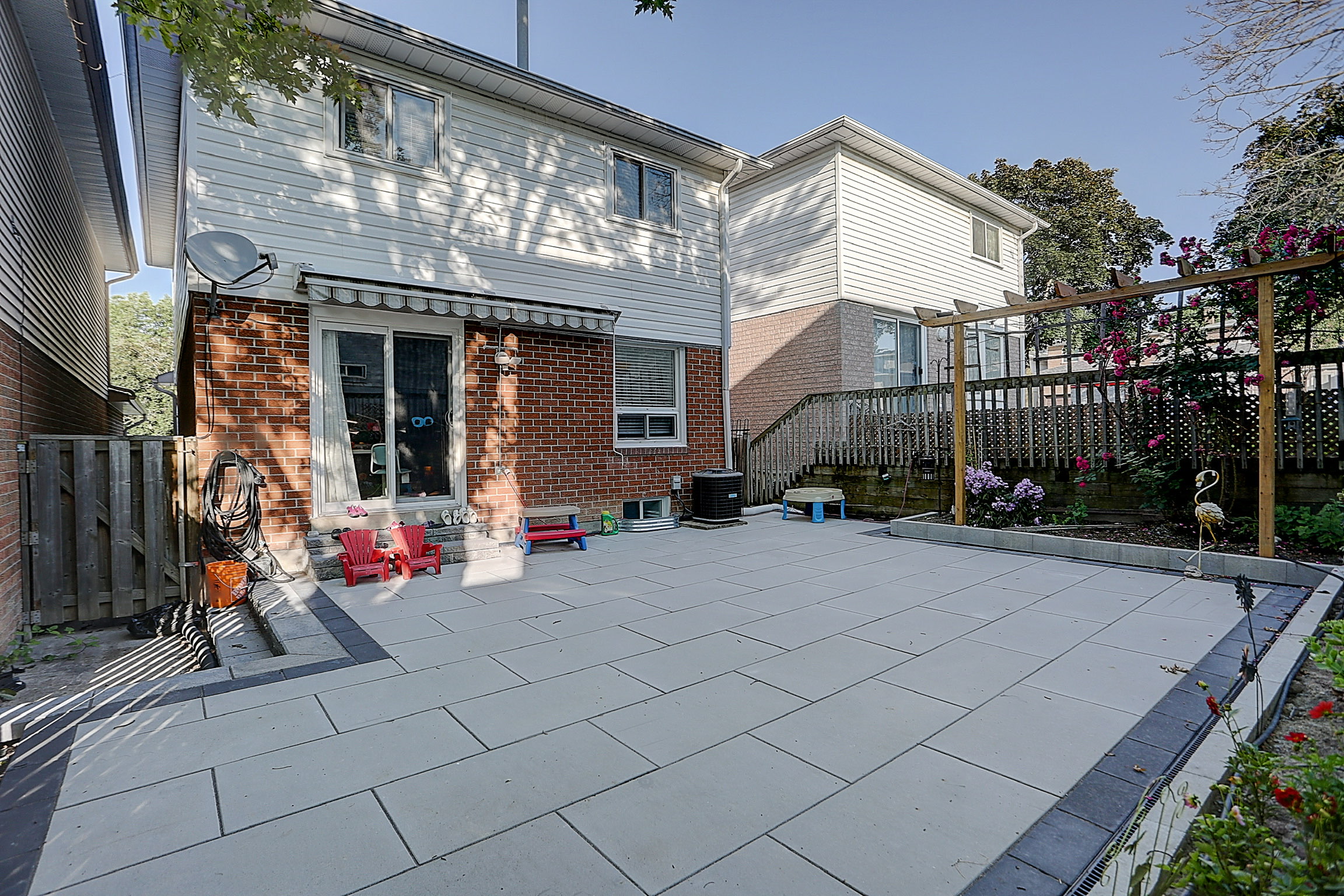
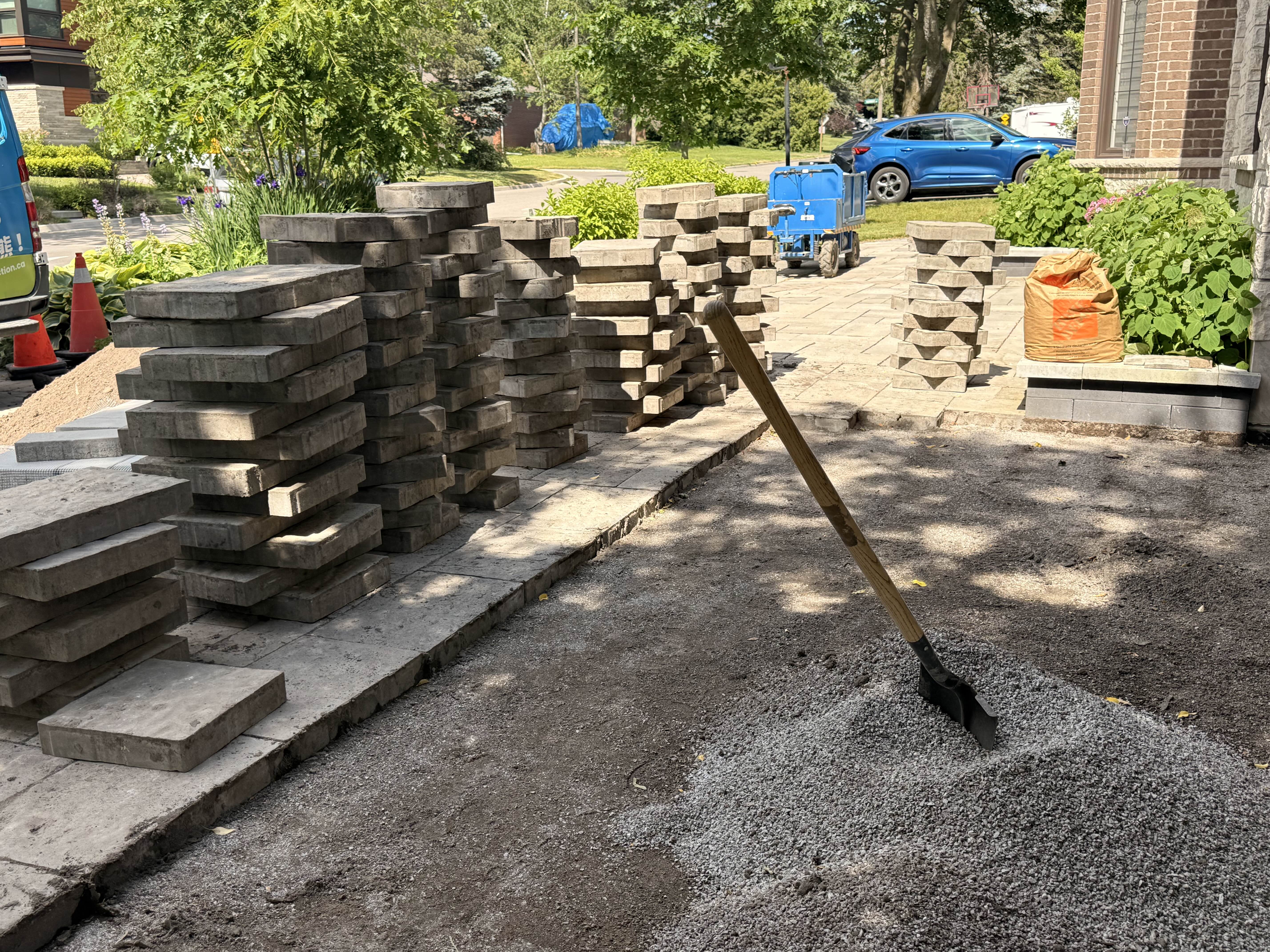
Interlocking can completely change the appearance and function of a driveway, patio, walkway, or front entrance. It gives homeowners the ability to create a finished outdoor surface that feels more customized than plain concrete or asphalt.
However, choosing the right interlocking is not only about finding a stone that looks attractive in a product catalogue. The pavers must also suit the location, traffic level, drainage conditions, home exterior, project budget, and long-term maintenance expectations.
A product that works well for a backyard patio may not be suitable for a driveway. A colour that looks good in a showroom may feel very different beside your brick, siding, roofing, or landscaping.
Before choosing materials, it helps to understand the practical and visual decisions that affect the final result.
Start With the Purpose of the Area
The first question is where the interlocking will be installed and how the area will be used.
Common interlocking applications include:
- driveways
- patios
- front walkways
- side pathways
- front entrances
- backyard seating areas
- outdoor kitchens
- pool surroundings
- steps and landings
- garden borders
Each type of space has different requirements. A driveway must support vehicles and repeated traffic. A patio mainly supports furniture, foot traffic, and outdoor activities. A walkway must feel comfortable and safe to walk on. Pool areas may need a surface with better grip and lower heat absorption.
Understanding the purpose helps narrow down the right thickness, size, finish, and installation method.
Driveway Interlocking and Patio Interlocking Are Not the Same
One of the most important differences is the amount of weight the surface must support.
Driveway pavers should be selected for vehicular use. The paver thickness, base depth, edge restraint, and installation method must all be designed to handle cars, trucks, turning movements, and repeated loading.
Patio pavers do not usually need to support the same weight. This allows for more flexibility in product size, shape, and decorative design.
Before selecting a paver, confirm whether the manufacturer recommends it for:
- pedestrian use
- residential driveway use
- commercial traffic
- pool decks
- retaining wall applications
Do not assume every paver can be used everywhere.
Choose the Correct Paver Thickness
Paver thickness is a structural decision, not only a visual one.
Thicker pavers are generally used in areas that must support vehicles. Thinner pavers may be suitable for patios and walkways where the load is lighter.
The exact product requirements depend on:
- vehicle weight
- frequency of use
- paver size
- base construction
- soil conditions
- manufacturer specifications
- installation pattern
Large-format slabs can look beautiful on patios, but some may not be rated for driveway use. If a product is installed in the wrong application, it may crack, shift, or become damaged over time. Your contractor should confirm that the selected product is appropriate for the intended use.
Consider the Size and Scale of the Pavers
Paver size has a major effect on how the finished space looks.
Large-format pavers can create a modern, clean appearance. Smaller pavers can feel more traditional and may allow for more detailed patterns.
Consider the size of the project area. For a large driveway, very small pavers may create a busy appearance. Large pavers can make the surface feel calmer and more contemporary. For a small walkway or compact patio, oversized slabs may require too many cuts or make the space feel visually crowded.
The proportions should work with:
- the size of the driveway or patio
- the width of walkways
- the scale of the home
- nearby steps and walls
- border designs
- landscaping features
A balanced layout usually looks more intentional than choosing the largest or most decorative stone available.
Match the Colour to the Home
Interlocking should complement the house rather than compete with it.
Look at the permanent exterior features of the property:
- brick
- stone veneer
- siding
- roof colour
- garage door
- window frames
- front door
- porch
- retaining walls
- existing steps
If the home already has several colours and textures, a simpler paver may create better balance. If the home exterior is neutral, a contrasting border or subtle colour blend may add interest.
Popular colour directions include:
- warm beige and brown tones
- cool grey and charcoal tones
- natural stone blends
- light cream shades
- dark borders
- mixed grey and tan combinations
It is useful to view physical samples outdoors because daylight can make colours look different from showroom lighting or computer images.
Think About Dirt, Salt, and Staining
Light-coloured pavers can create a bright and modern appearance, but they may show dirt, tire marks, leaves, and stains more easily. Very dark pavers may show road salt, dust, and fading.
For driveways, mid-tone colours and blended finishes are often practical because they can help disguise everyday marks. For patios, the decision may depend more on furniture, landscaping, shade, and the desired atmosphere.
Also consider:
- nearby trees
- barbecue areas
- vehicle traffic
- snow storage
- garden soil
- downspout locations
- oil or grease exposure
The most attractive colour should also be realistic for how the space will be used.
Select a Finish That Matches the Application
Interlocking products are available in different textures and surface finishes.
Common options include:
- smooth
- textured
- natural stone appearance
- tumbled or aged
- exposed aggregate
- lightly embossed
- large-format contemporary slabs
Smooth pavers create a modern appearance and are easier to clean, but some surfaces may become more slippery when wet. Textured products can provide more grip and visual depth, but deeper texture may collect dirt more easily.
For pool areas, steps, and sloped walkways, traction should be an important consideration. The right finish should balance appearance, comfort, grip, cleaning, snow removal, and daily use.
Choose a Pattern That Supports the Design
The laying pattern affects both appearance and performance.
Common patterns include:
- running bond
- herringbone
- basket weave
- random layout
- modular pattern
- linear pattern
- stacked grid
Herringbone patterns are often used for driveways because the layout can handle turning forces effectively. Linear patterns can create a modern look and make a space appear longer or wider, depending on the direction. Random or modular patterns can create a natural stone appearance.
The pattern should work with the paver shape and project dimensions. It should also minimize awkward cuts near edges, steps, walls, and garage doors.
Use Borders Carefully
Borders can make an interlocking project feel more complete. They can define the edge, add contrast, connect the design to the home, separate different outdoor zones, highlight walkways, and create a finished driveway frame.
However, too many colours or patterns can make the surface feel busy. A simple dark border around a lighter driveway is a common choice. The border can also match another feature such as a front step, retaining wall, window frame, or roof colour.
Borders should support the overall design rather than become the main focus.
Base Preparation Is More Important Than the Paver
A high-quality paver will not perform well on a weak base.
Proper preparation generally includes:
- excavation
- removal of unsuitable soil
- aggregate base
- compaction in layers
- grading
- drainage planning
- bedding material
- edge restraints
- paver installation
- joint sand
- final compaction
The depth and type of base depend on whether the area is a driveway, patio, or walkway.
Poor base preparation can lead to sinking, movement, uneven surfaces, cracked pavers, separated edges, water pooling, tire ruts, and trip hazards. When comparing estimates, ask about the base and installation method, not only the paver product.
Important note: The base is what makes an interlocking project last. A premium paver on a poorly prepared base will fail faster than a standard paver on a well-built base. Always ask contractors to explain the base specification before accepting a quote.
Plan for Drainage Before Installation
Interlocking must be graded so water moves away from the home and does not collect on the surface.
Drainage planning should consider:
- the foundation
- garage
- neighbouring properties
- downspouts
- lawn areas
- retaining walls
- existing slopes
- catch basins
- low points
Water pooling can affect both the appearance and durability of the surface. In GTA winters, standing water can freeze and create slippery conditions. Repeated freeze and thaw cycles can also contribute to movement if the base is poorly prepared. Drainage should be reviewed before choosing the final elevations and layout.
Consider Snow Removal and Winter Use
Driveways and walkways must be practical during winter.
Think about how the surface will respond to:
- snow shovels
- snow blowers
- plows
- road salt
- ice
- freeze-thaw cycles
Uneven or heavily textured surfaces may be more difficult to clear. Very light pavers may show winter staining. Some de-icing products may affect the surface or joint sand. Ask the installer or manufacturer about recommended winter care for the selected product.
Understand Joint Sand and Edge Restraints
The spaces between pavers are filled with joint sand, often polymeric sand.
Joint sand helps stabilize the pavers, reduce movement, limit weed growth, reduce insect activity, and create a more finished appearance. Proper installation requires dry conditions, correct application, compaction, and careful activation.
Edge restraints are also important because they prevent the outside pavers from spreading or shifting. These components are less visible than the pavers, but they are essential to the long-term performance of the surface.
Think About Maintenance
Interlocking is durable, but it is not maintenance-free.
Maintenance may include:
- sweeping
- washing
- removing stains
- controlling weeds
- replacing joint sand
- repairing settled areas
- optional sealing
- removing leaves and debris
The amount of maintenance depends on traffic, tree coverage, weather exposure, drainage, joint condition, product finish, and location. Ask what maintenance is recommended before choosing the material.
Should You Choose Sealed or Unsealed Interlocking?
Sealing is optional for many products. Depending on the sealer, it may deepen the colour, add a matte or glossy finish, improve stain resistance, reduce surface absorption, and help protect joint sand. However, sealers require correct preparation and may need to be reapplied.
Some homeowners prefer the natural unsealed appearance. Others want a richer colour or easier stain cleanup. The decision depends on the product, location, desired appearance, and maintenance expectations.
Avoid Choosing Based Only on Price
The lowest-cost paver may not be the best option for the project.
Consider the full value of:
- material quality
- base preparation
- installation experience
- drainage
- edge restraint
- joint sand
- product suitability
- warranty
- future repairability
A lower price may reflect a thinner base, fewer excavation steps, poor compaction, or a product not intended for the application. A detailed estimate should explain both materials and installation.
Questions to Ask Your Interlocking Contractor
Before hiring an interlocking contractor in the GTA, ask:
- Is this paver rated for driveway use?
- How deep will the base be?
- What base material will be used?
- How will drainage be handled?
- What edge restraint will be installed?
- Which joint sand will be used?
- How will the pattern be planned?
- Will the old surface be removed?
- Is disposal included?
- How long should the installation take?
- What maintenance is recommended?
- What warranty is provided?
Clear answers can help you compare contractors and avoid misunderstandings.
Final Thoughts
Choosing interlocking for a driveway or patio requires both design and technical planning. The right product should suit the purpose of the space, support the expected traffic, complement the home, handle GTA weather, and fit the homeowner's maintenance preferences.
Colour, size, pattern, texture, thickness, borders, drainage, and base preparation all matter. A successful interlocking project combines attractive materials with proper construction underneath.
Greatland Construction provides interlocking driveways, patios, walkways, outdoor living spaces, landscaping, fencing, paving, and complete exterior renovation services across the GTA.